🚨 Quick Facts Box
- 280,000+ Americans currently infected with Chagas disease
- 32 US states now have confirmed kissing bug populations
- 8 states report locally-acquired human cases annually
- Early treatment: 90-100% cure rate | Late treatment: 60-70% effective
- Testing: Free through CDC for acute cases
- Endemic status: Recently declared endemic to United States (2025)
The name sounds harmless, but "kissing bug disease" is anything but cute. This serious parasitic infection, officially called Chagas disease, has been making headlines in 2025 as health officials track its spread beyond traditional boundaries and officially recognize the United States as an endemic country for the first time.
According to recent CDC research published in September 2025, Chagas disease is now considered endemic to the United States, with documented cases in 8 states and kissing bug populations in 32 states.
If you've heard about kissing bugs in the news lately, here's everything you need to know to protect yourself and your family.
https://healthylivinghubholy.blogspot.com/2025/09/7-healthy-foods-boost-energy-fitness-naturally.html
What Exactly Is Kissing Bug Disease?
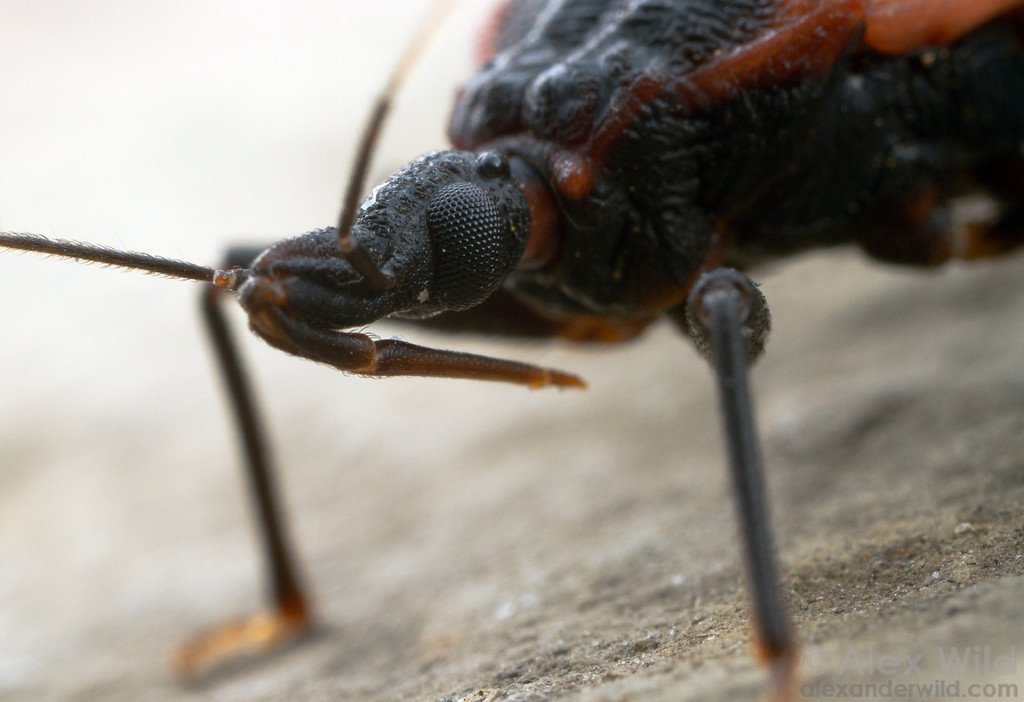
Kissing bug disease is the common name for Chagas disease, a potentially life-threatening infection caused by the parasite Trypanosoma cruzi. The "kissing bug" nickname comes from the triatomine bug's habit of biting people around the face, lips, and eyes while they sleep.
Originally concentrated in Latin America, Chagas disease now affects an estimated 6-7 million people worldwide, with 280,000 to 347,000 cases in the United States according to the latest CDC estimates. Cases have been reported across the southern United States, making awareness more important than ever.
Dr. Nicole Beatty, University of Florida College of Medicine: "The evidence justifies recognizing that Chagas disease is endemic to the United States, and not just from a veterinary perspective. This reclassification reflects a broader understanding that aligns with a One Health approach."
📍 Key fact: The bug doesn't spread the parasite through its bite – it's actually the bug's infected feces that cause infection.
Recognizing Chagas Disease Symptoms
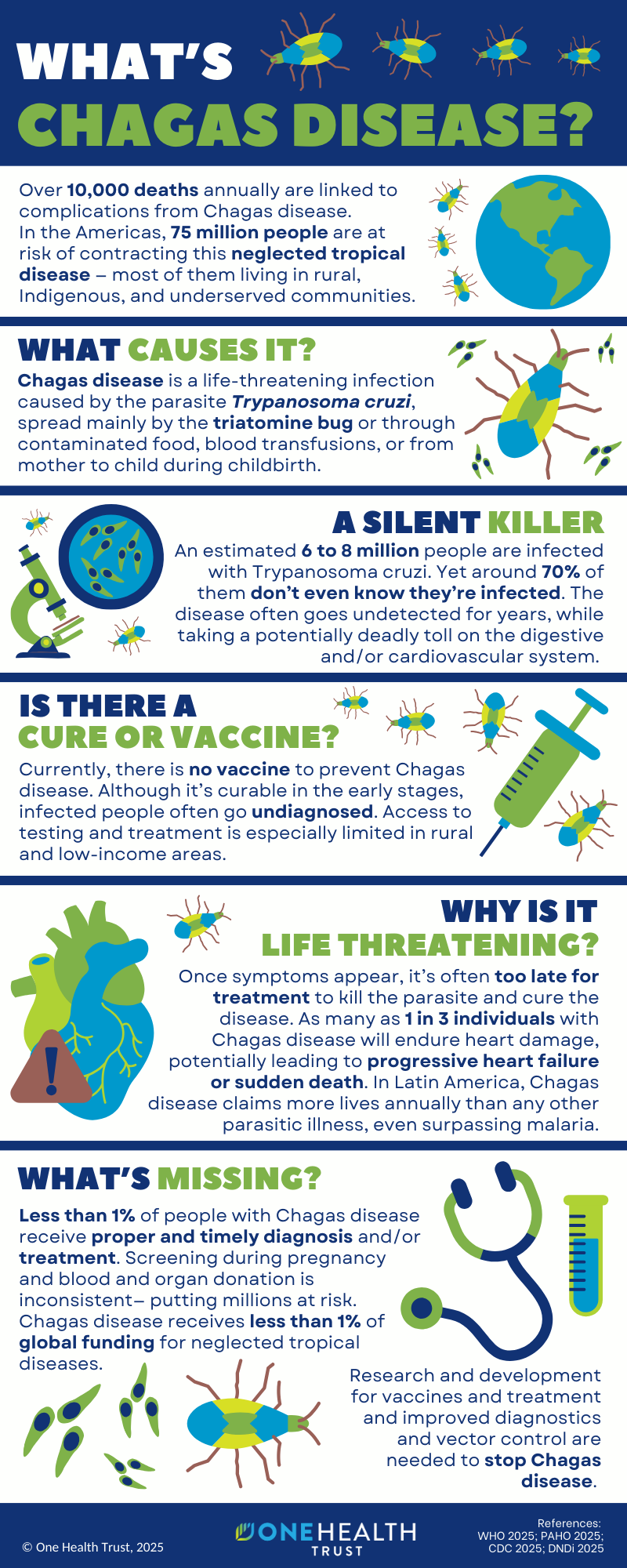
Chagas disease develops in two distinct phases, and many people don't realize they're infected until years later.
Acute Phase (First 2-8 weeks)
The early symptoms are often mild and easily mistaken for flu:
- Fever and chills
- Severe fatigue and body aches
- Swelling at the bite site (called a "chagoma")
- Skin rash
- Swollen lymph nodes
- Headache and muscle pain
⚠️ Critical sign: Swelling around one eye (Romaña's sign) is a telltale early symptom.
Chronic Phase (10-30 years later)
Without treatment, about 30% of people develop serious complications:
- Heart problems: Irregular heartbeat, heart failure, sudden cardiac death
- Digestive issues: Enlarged esophagus or colon, difficulty swallowing
- Neurological complications: In rare cases, brain and nervous system damage
The silent danger: Up to 70% of infected people never show symptoms but can still develop life-threatening complications decades later.
How Kissing Bugs Spread Chagas Disease
Understanding transmission helps you protect yourself more effectively.
Primary Transmission Method
Kissing bugs don't inject the parasite when they bite. Instead:
- The bug bites you (usually at night)
- It defecates near the bite wound
- You scratch the area, rubbing infected feces into the bite or nearby mucous membranes
- The parasite enters your bloodstream
Other Ways Chagas Disease Spreads
- Contaminated food or drinks (especially fresh fruit juices)
- Blood transfusions or organ transplants (rare in countries with screening)
- Mother-to-baby transmission during pregnancy or childbirth
- Laboratory accidents (occupational exposure)
2025 Regional Risk Assessment: Where Kissing Bugs Live
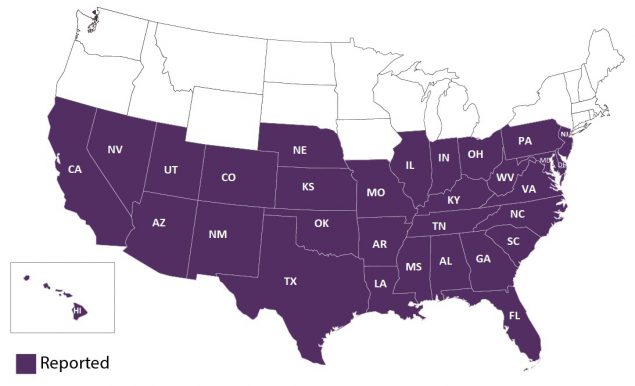
Highest Risk States (Locally-Acquired Human Cases)
Based on the latest CDC data, locally-acquired human Chagas disease has been documented in:
- Texas (highest number of cases - 50+ documented since 2013)
- California
- Arizona
- Tennessee
- Louisiana
- Missouri
- Mississippi
- Arkansas
States with Kissing Bug Populations (32 total)
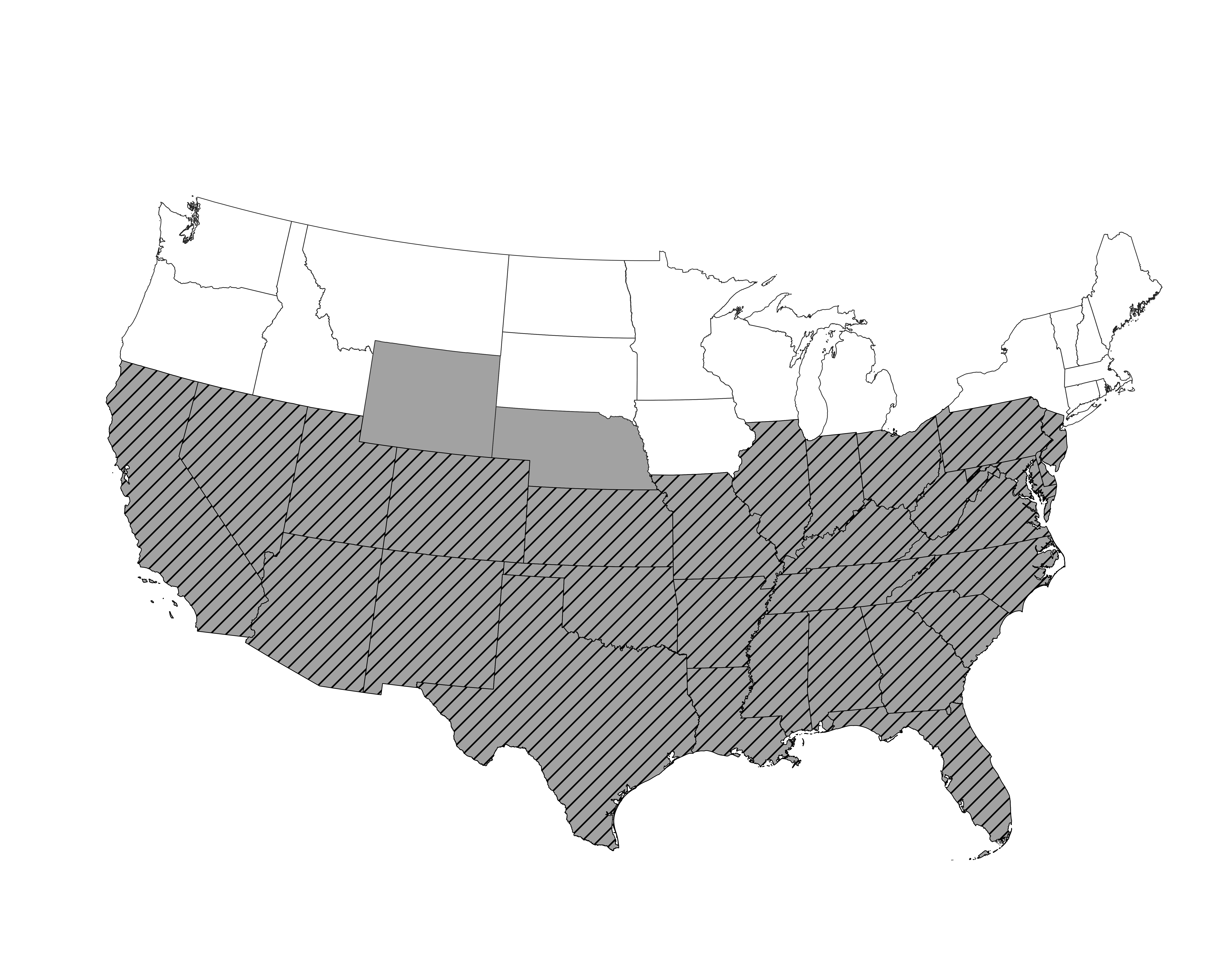
Interactive Map shows kissing bugs have been found as far north as Pennsylvania, with established populations throughout the southern United States.
Who's Most at Risk in 2025?
High-risk groups include:
- Residents of rural areas with poor housing conditions
- Travelers to endemic regions (especially backpackers and eco-tourists)
- People living in adobe, mud, or thatch-roof houses
- Outdoor enthusiasts camping in affected areas
- Immigrants from Latin American countries
- Working dogs (30.7 new infections per 100 dogs annually in Texas)
💡 2025 Update: Climate change is expanding kissing bug habitats northward, increasing risk in previously unaffected areas.
Proven Prevention Strategies

Prevention is your best defense against Chagas disease. Here's how to protect yourself:A strong immune system is your best defense against infections. Learn about 10 vitamin-rich foods that naturally boost immunity and help your body fight off infections.
At Home
- Seal cracks and crevices in walls, roofs, and around windows
- Remove wood, brush, and rock piles near your house
- Use screens on windows and doors
- Keep outdoor lights off when possible (bugs are attracted to light)
- Check pets regularly – they can also get infected
When Traveling
- Sleep in well-constructed buildings when possible
- Use bed nets treated with insecticide
- Avoid sleeping on the ground or in thatched-roof buildings
- Inspect bedding and furniture for bugs before settling in
- Pack insect repellent containing DEET or picaridin
Food Safety
- Avoid unpasteurized juices (especially açaí, sugarcane, guava)
- Eat only thoroughly cooked food
- Drink bottled or boiled water
- Wash fruits and vegetables carefully
What to Do If You Find a Kissing Bug
If you discover a kissing bug in your home:
- Don't crush it with bare hands - use gloves or tweezers
- Capture it safely in a container
- Take photos for identification
- Contact your local health department for testing
- Clean the area with bleach solution
- Inspect your home for entry points and seal them
Diagnosis and Treatment Options
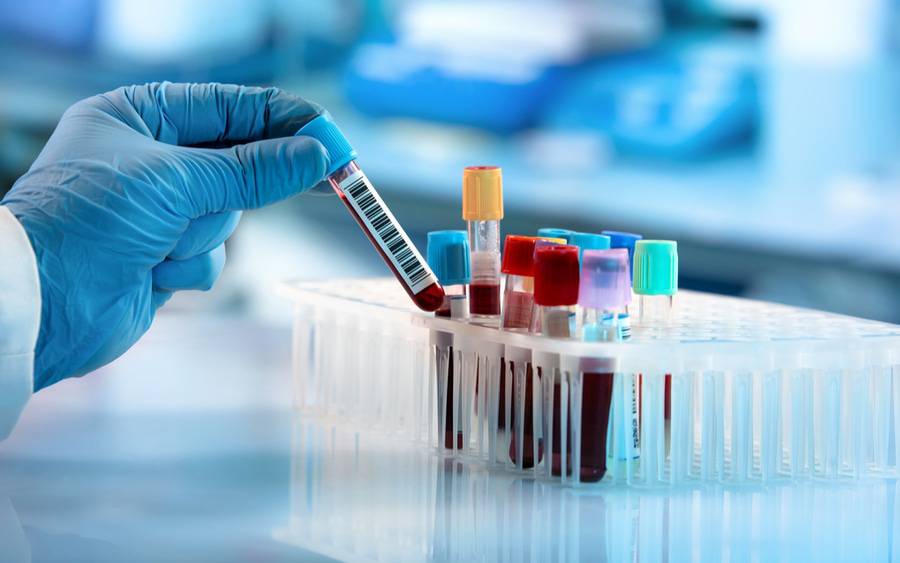
Getting Diagnosed
Chagas disease diagnosis involves:
- Blood tests to detect parasites or antibodies
- Electrocardiogram (ECG) to check heart function
- Imaging tests (X-rays, CT scans) for advanced cases
🔬 Testing note: Different tests are used for acute vs. chronic infections.
Cost Information:
- CDC testing: Free for acute cases through CDC programs
- Private testing: $150-$400 depending on provider and insurance
- Most insurance plans cover testing when medically indicated
Treatment Success Rates
Early treatment is highly effective:
- Acute phase: 90-100% cure rate with medication
- Chronic phase: 60-70% effective in stopping disease progression
Current medications:
- Benznidazole (first-line treatment) - FDA approved 2017
- Nifurtimox (alternative option)
Treatment Costs:
- Annual healthcare costs in US: $118.2 million according to Boston University research
- Commercial benznidazole cost: Varies by insurance coverage
- Many patients face barriers accessing treatment due to limited physician awareness
Pet Protection: Safeguarding Your Animals
Pets, especially dogs, are at significant risk in endemic areas:
Signs of Chagas Disease in Pets
- Lethargy and weakness
- Irregular heartbeat
- Difficulty breathing
- Swollen abdomen
- Sudden collapse
Prevention for Pets
- Use veterinary-approved insecticides around kennels
- Remove outdoor food that attracts wildlife
- Regular veterinary screening in endemic areas
- Keep pets indoors at night when possible
- Maintain clean outdoor areas free of debris
Veterinary testing: Available through specialized labs, costs $50-$150 per test.
Kissing Bug Disease in 2025: Current Situation
Why It's Trending Now
- Endemic designation: US officially recognized as Chagas-endemic country
- Increased detection due to better surveillance
- Climate-driven expansion of bug habitats
- Growing awareness among healthcare providers
- Immigration patterns bringing cases to new areas
Expert Perspective
Texas A&M University researchers: "Infection prevalence among triatomines ranges from 30% to over 50% in documented populations across the southern United States."
Should You Be Worried?
For most people: Risk remains low, especially outside endemic areas.
Take precautions if you:
- Live in or travel to affected regions
- Have unexplained heart problems and travel history
- Are pregnant and have been exposed
- Own working dogs in rural southern areas
📊 Latest Statistics:
- 280,000+ people in the U.S. have Chagas disease (CDC estimates)
- 45,000 people in Los Angeles County alone may be affected
- Most don't know they're infected
Case Study: Early Detection Saves Lives
Background: A 34-year-old construction worker in central Texas noticed persistent fatigue and occasional heart palpitations. Having heard about Chagas disease in local news, he requested testing from his physician.
Outcome: Early-stage Chagas disease was confirmed through CDC testing. After completing benznidazole treatment, follow-up tests showed no detectable parasites. His case highlights the importance of awareness and proactive testing in endemic areas.
Key lesson: Early detection through increased awareness led to successful treatment and prevented progression to chronic complications.
Take Action: Your Next Steps
If You Think You're at Risk:
- Consult a healthcare provider familiar with tropical diseases
- Request Chagas testing if you have risk factors
- Get regular heart checkups if you test positive
- Inform family members about potential genetic counseling needs
Insurance and Financial Resources
- Most major insurance plans cover Chagas testing when medically indicated
- CDC provides free testing for acute cases
- Patient assistance programs available for treatment medications
- Research studies may provide free testing and treatment
Additional Resources
- CDC Chagas Disease Information
- Texas A&M Kissing Bug Citizen Science
- WHO Chagas Disease Fact Sheet Building healthy daily habits strengthens your overall health resilience. Discover 7 morning habits that boost your body's natural energy and immune function.
Spread Awareness, Save Lives
Share this article to help others recognize the risks and symptoms of kissing bug disease. Early detection and prevention can literally save lives.
🔗 Connect with us: Have questions about Chagas disease? Leave a comment below or share your prevention tips with our community.
📱 Stay informed: Subscribe to our newsletter for the latest health updates and travel safety tips.
Related Articles You May Find Helpful:
- Vector-Borne Diseases: Complete Protection Guide
- Travel Health: Essential Vaccinations and Precautions
- Heart Health: Early Warning Signs You Shouldn't Ignore
Sources and Citations
- Beatty, N.L., et al. "Chagas Disease, an Endemic Disease in the United States." Emerging Infectious Diseases, September 2025
- Centers for Disease Control and Prevention. "Chagas Disease." Updated February 2024
- Boston University Chagas Research. "About Chagas Disease."
- Texas A&M University Kissing Bug Citizen Science Project
- World Health Organization. "Chagas Disease Fact Sheet." April 2025
⚠️ MEDICAL DISCLAIMER: This information is for educational purposes only and should not replace professional medical advice. Always consult qualified healthcare providers for diagnosis and treatment of medical conditions. Early detection and proper medical care are essential for managing Chagas disease effectively.
Prevention is always better than treatment. Learn about other simple habit changes that can prevent common health problems.