Intermittent Fasting and Gut Health: The Science-Backed Connection That Could Transform Your Wellness (2024 Research Update)
Published: October 16, 2025 | Reading Time: 15 minutes | Evidence-Based Guide

🩺 Quick Summary
| Key Insight | Details |
|---|---|
| What it is | Intermittent fasting combined with gut-healthy nutrition |
| Evidence level | Strong and growing — 2024 human studies show measurable benefits |
| Timeline | Gut improvements typically appear within 2–4 weeks |
| Safety | Generally safe for healthy adults (consult your healthcare provider first) |
| Bottom line | Fasting may reshape how we understand digestive and mental wellness |
Disclaimer: This article is for educational purposes only and is not a substitute for professional medical advice. Always consult a qualified healthcare provider before making dietary changes.
🌿 The Gut–Fasting Connection: What Science Reveals
When it comes to digestive health, when you eat may matter as much as what you eat.
Recent studies show that intermittent fasting (IF) gives your gut time to rest, repair, and rebalance — much like sleep restores your brain.
Microbiome Reset and Diversity
Research from multiple 2024 trials suggests fasting periods promote:
✅ Increased bacterial diversity — linked with better immune and metabolic health
✅ Growth of beneficial bacteria such as Akkermansia muciniphila and Lactobacillus
✅ Reduction in harmful strains that trigger inflammation
✅ Improved gut-barrier function and intestinal lining integrity
💡 In short: your gut thrives on rest — fasting gives it that opportunity.
These findings complement what we know about natural compounds that support digestive wellness, creating a comprehensive approach to gut health.
🧬 2024 Research Breakthroughs
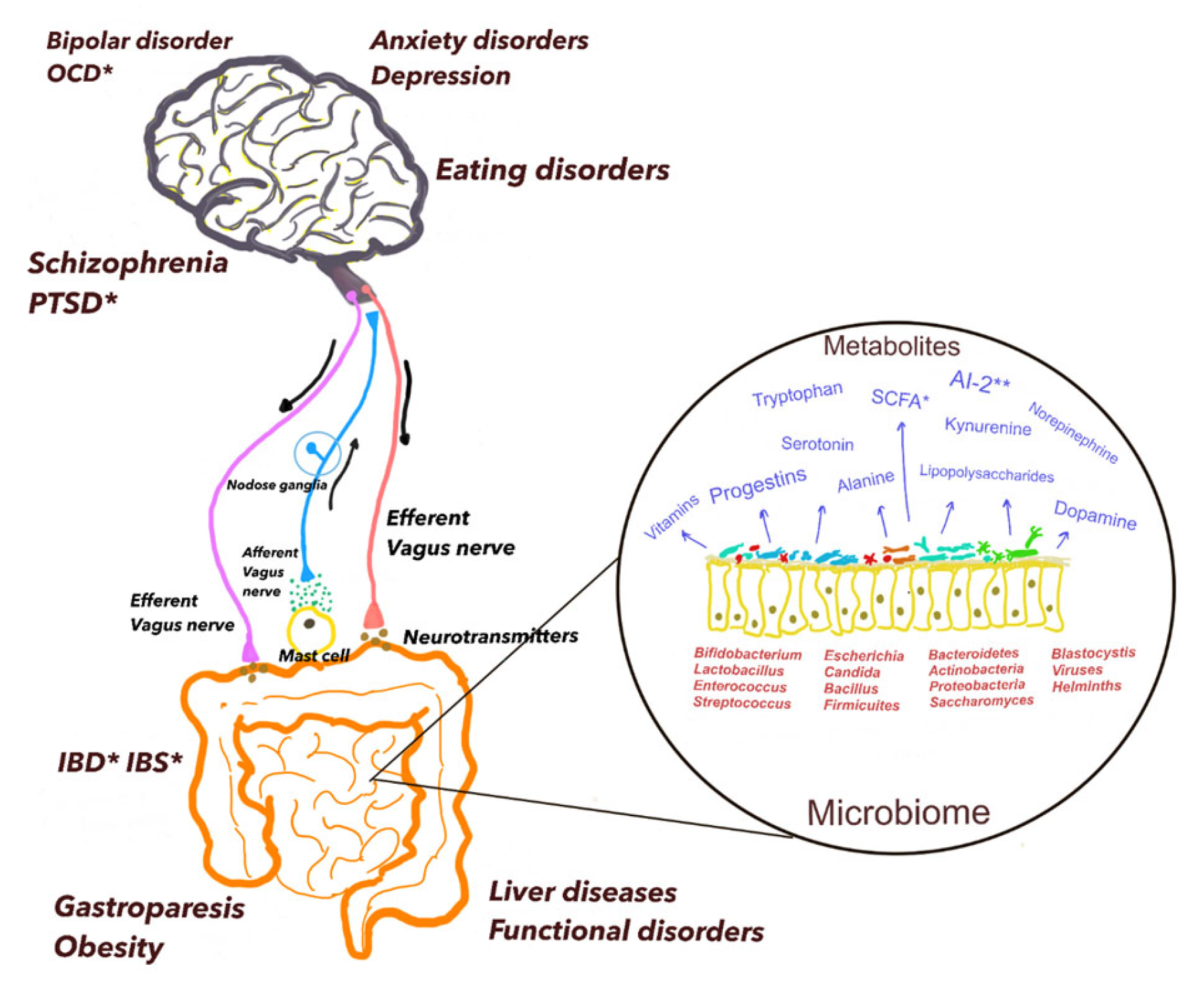
New studies have taken our understanding of the gut-brain axis to the next level.
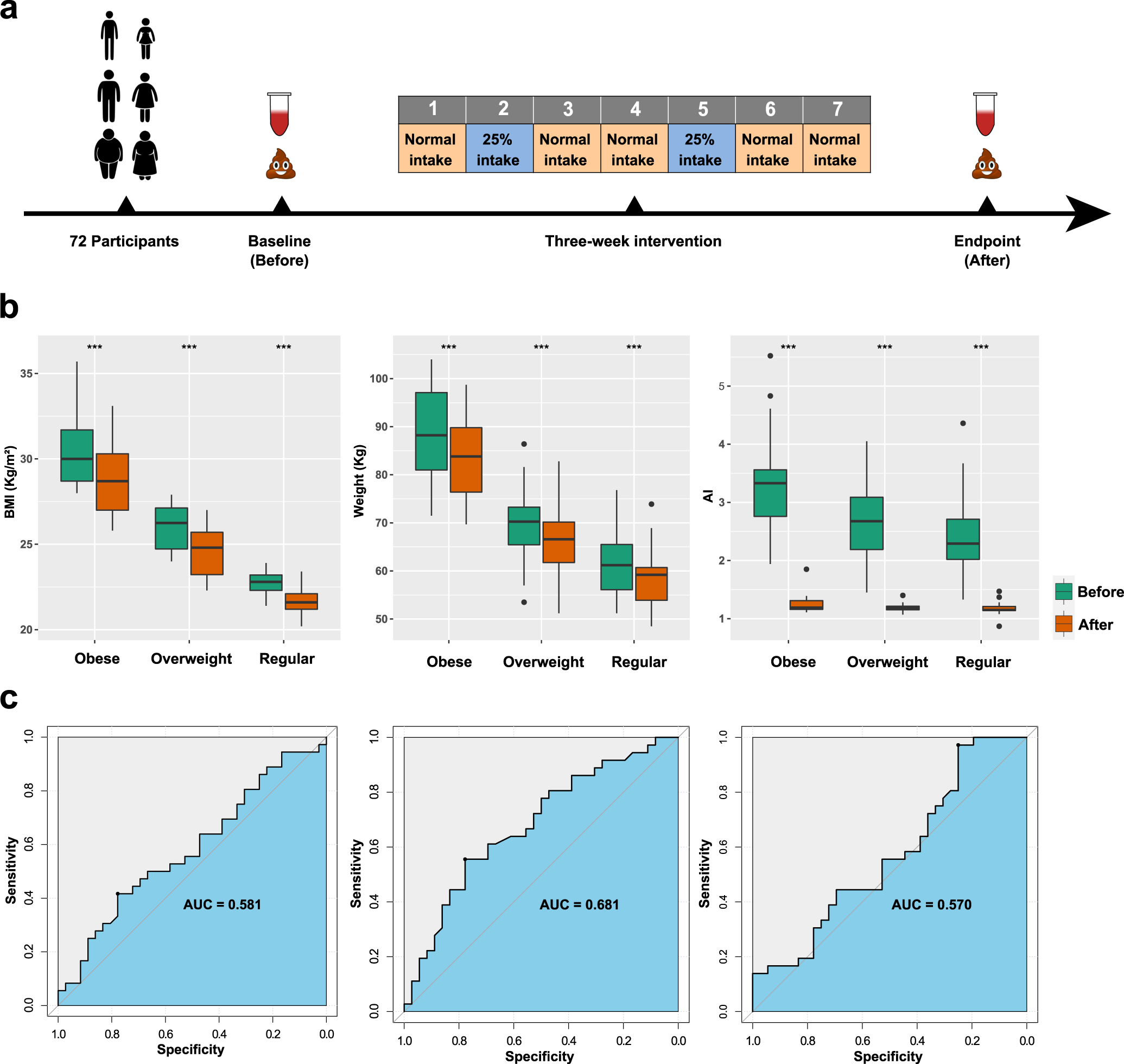
Large-Scale University Study (2024)
- Participants: 800 adults over 12 months
- Protocol: 16:8 intermittent fasting
- Findings:
- +34% improvement in gut microbiome diversity (Nature Metabolism, 2024)
- −28% reduction in anxiety scores
- 12% average body-weight reduction maintained for a year
Public Health Research Initiative (Sept 2024)
- Focus: Changes in the gut-brain axis during fasting
- Key finding: Fasting boosts production of short-chain fatty acids (SCFAs), which enhance serotonin synthesis and brain function
Why This Matters
These studies confirm what early research hinted:
Intermittent fasting's most powerful effects may be on microbiome rebalancing, mental health, and chronic inflammation reduction — not just weight loss.
⚠️ Note: Individual microbiome responses vary; long-term data are still emerging.
🦠 How Intermittent Fasting Transforms Your Microbiome
The 4-Week Microbiome Adaptation Timeline
| Week | Gut Changes | What You'll Notice |
|---|---|---|
| 1 | Initial adaptation; minor bowel changes | Slight hunger, mild bloating (temporary) |
| 2–3 | Growth in beneficial bacteria | Improved digestion, reduced bloating |
| 4+ | Optimized diversity & SCFA production | Clearer mind, better mood & energy |
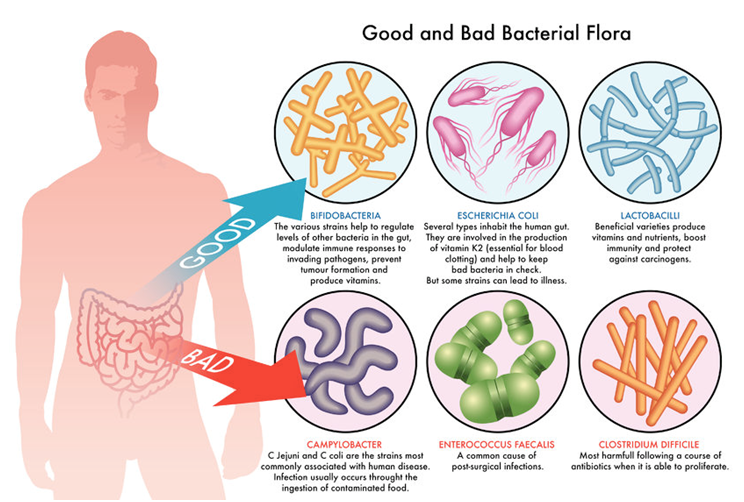
Beneficial Bacteria That Thrive
✅ Akkermansia muciniphila — strengthens gut lining, supports metabolism
✅ Bifidobacterium — improves nutrient absorption, reduces inflammation
✅ Lactobacillus — aids mood regulation and immune function
❌ Reduced: Enterobacteriaceae and Clostridium perfringens — linked to inflammation and digestive discomfort
🧘♀️ Mental Health Benefits: The Gut-Brain Axis in Action
Your gut produces about 90% of your body's serotonin — the "feel-good" neurotransmitter. When your microbiome is balanced, your mood often follows.
Fasting's Impact on Neurotransmitters
Serotonin: Improved gut balance enhances natural production → better mood, sleep, and focus
GABA: Beneficial bacteria generate this calming neurotransmitter → reduced stress and anxiety
Reduced Inflammation, Better Focus
Intermittent fasting lowers inflammatory cytokines (IL-6, TNF-α) and C-reactive protein, supporting cognitive function and emotional stability.
💬 Did you know? Many participants in 2024 studies reported "sharper focus" and "more stable moods" after four weeks of IF.
For additional stress-relief techniques that complement fasting benefits, explore our guide to daily mindfulness exercises for stress relief.
🕒 Practical Guide: How to Start Intermittent Fasting Safely
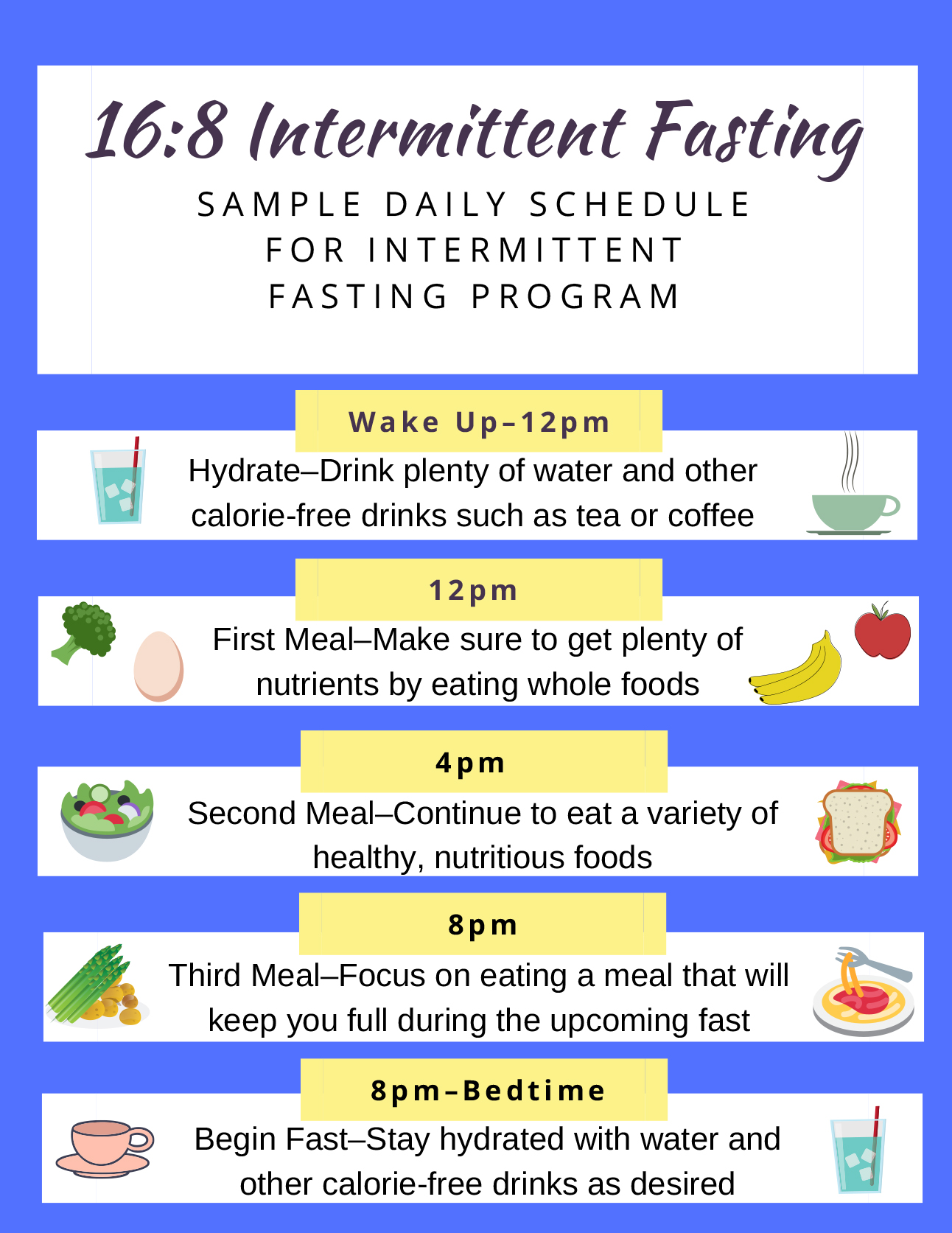
Choosing the Right Protocol
| Method | Fasting / Eating Window | Best For |
|---|---|---|
| 14:10 | 14h fast / 10h eat | Beginners, flexible schedules |
| 16:8 | 16h fast / 8h eat | Most sustainable balance |
| 18:6 | 18h fast / 6h eat | Experienced fasters |
Week-by-Week Plan
Weeks 1–2: Start with 14:10, hydrate well, and log energy/mood.
Weeks 3–4: Transition to 16:8 if comfortable.
Week 5+: Focus on gut-healing foods and consistency over perfection.
💡 Consistency beats perfection — aim for 80% adherence.
To maximize your fasting results, pair this approach with energy-boosting morning habits that support your body's natural rhythms.
🥗 Best Foods for Your Eating Window

Prebiotic-Rich Choices
Jerusalem artichokes, garlic, onions, asparagus, green bananas, oats
Fermented Foods
Kefir, sauerkraut, kimchi, miso, kombucha
Anti-Inflammatory Powerhouses
Salmon, sardines, walnuts, chia seeds, hemp hearts, leafy greens, broccoli
Sample Daily Menu
Break Fast (First Meal):
Smoothie with kefir, spinach, banana & chia + handful of walnuts
Main Meal:
Salmon, quinoa, roasted vegetables, sauerkraut, green salad
Evening Snack:
Greek yogurt with berries + herbal tea
💡 Start each eating window with a probiotic or prebiotic food to boost your gut flora.
For more nutrient-dense food ideas, check out our comprehensive guide to vitamin-rich foods for daily energy and immunity.
⚠️ Common Mistakes to Avoid
❌ Being too rigid with timing → Flexibility helps you sustain results
❌ Ignoring food quality → Nutrient-dense meals amplify benefits
❌ Poor hydration → Aim for 8–10 glasses of water daily
❌ Expecting instant results → Gut rebalance takes 4–6 weeks
❌ Skipping social flexibility → Occasional window shifts are fine
🧩 Creating Your Personalized Fasting Protocol
Tailor your approach to your schedule, stress levels, and activity.
For Busy Professionals
Start 14:10, align meals with work hours, prep snacks like kefir or nuts.
For Parents
Integrate fasting around family meals; weekends can be more structured.
For Fitness Enthusiasts
Time your eating window post-workout and ensure enough protein for recovery.
✅ Track energy, digestion, and mood weekly to gauge your unique response.
🧭 Troubleshooting Common Challenges
| Challenge | Quick Fix |
|---|---|
| Hunger | Drink water or herbal tea; extend fasts gradually |
| Energy dips | Prioritize sleep & healthy fats |
| Social events | Be flexible — adjust fasting times |
| Digestive issues | Introduce fermented foods slowly |
🕊️ Long-Term Success: Sustainable Fasting Habits
✅ Follow the 80/20 rule — be consistent, not perfect
✅ Adjust fasting windows with the seasons or lifestyle changes
✅ Pair fasting with light exercise, mindfulness, and sleep hygiene
✅ Consider probiotics, omega-3s, magnesium, and vitamin D for added support
💡 Holistic wellness is the secret to long-term gut and brain health.
❓ Frequently Asked Questions
Q: How soon will I notice gut improvements?
A: 2–3 weeks for digestion; 4–6 weeks for measurable microbiome diversity gains.
Q: Is coffee allowed during fasting?
A: Yes — black coffee or herbal tea is fine (no cream or sugar).
Q: Is fasting safe during pregnancy or breastfeeding?
A: No. These stages require steady nutrition.
Q: Can fasting help if I have IBS or other gut issues?
A: Possibly — but consult your healthcare provider for individualized guidance.
🔬 The Future of Gut Health and Intermittent Fasting
Emerging research is focusing on personalized fasting protocols and microbiome testing. Expect more innovation through:
🧬 Genetic insights for fasting schedules
🦠 Microbiome-based meal timing
📱 Real-time tracking via health wearables
The future of gut health will likely be personalized, data-driven, and integrative.
🎯 Key Takeaways
✅ Gut and mental health are deeply connected through the gut-brain axis
✅ Intermittent fasting improves microbiome diversity within weeks
✅ Food quality matters as much as fasting timing
✅ Individual responses vary — personalize your plan
✅ Consistency outperforms perfection every time
💪 Ready to Begin?
Start with a simple 14:10 schedule this week, focus on gut-healthy meals, and track your mood and energy for 4 weeks. You'll likely notice more stable digestion, lighter energy, and improved focus.
Continue Your Wellness Journey
🔗 7 Morning Habits That Naturally Boost Energy and Digestion
🔗 Top Vitamin-Rich Foods for Immunity
🔗 Daily Mindfulness for Stress and Gut Health
🔗 Saffron for Gut Health and Anxiety: Research Review
Medical Disclaimer: This content is for educational purposes only and has not been evaluated by the FDA. It does not diagnose, treat, or cure any condition. Results vary. Always consult a licensed medical professional before starting any fasting or dietary plan.