10 Proven Health Benefits of Drinking Water: Your Complete Guide to Better Health

Introduction
We all know water is essential for life, but many of us don't drink enough of it. In our busy modern world, we often reach for coffee, sodas, or energy drinks when we feel tired or sluggish, not realizing that simple dehydration might be the culprit. Staying hydrated is one of the simplest and most effective ways to improve your health, yet it's often overlooked in our quest for wellness.
The human body is approximately 60% water, and every system in our body depends on water to function properly. From regulating body temperature to lubricating joints, water plays a crucial role in maintaining our health and well-being. Despite this, studies show that up to 75% of people are chronically dehydrated, which can lead to a variety of health issues.

In this comprehensive post, we'll explore 10 scientifically proven health benefits of drinking water, and why you should make hydration a priority every day. Whether you're looking to boost your energy, improve your skin, or enhance your overall well-being, the answer might be simpler than you think – it could be sitting right in your kitchen tap.
1. Boosts Energy Levels
When your body is dehydrated, you're likely to feel sluggish and fatigued. This isn't just a coincidence – there's real science behind why proper hydration directly impacts your energy levels. Water helps transport oxygen and nutrients throughout your body, which improves circulation and keeps your energy levels up. When you're even mildly dehydrated, your blood becomes thicker, making your heart work harder to pump blood through your body.
Research has shown that dehydration of just 1-2% can significantly impair physical performance and cognitive function. Your brain tissue is about 75% water, so when you're dehydrated, your brain has to work harder to perform the same tasks. This extra effort manifests as fatigue, difficulty concentrating, and that familiar afternoon energy crash.
Drinking enough water can also help fight fatigue and improve mental clarity, allowing you to stay focused and alert throughout the day. Instead of reaching for that third cup of coffee when you feel tired, try drinking a large glass of water first. You might be surprised at how quickly your energy levels improve.
2. Promotes Healthy Skin
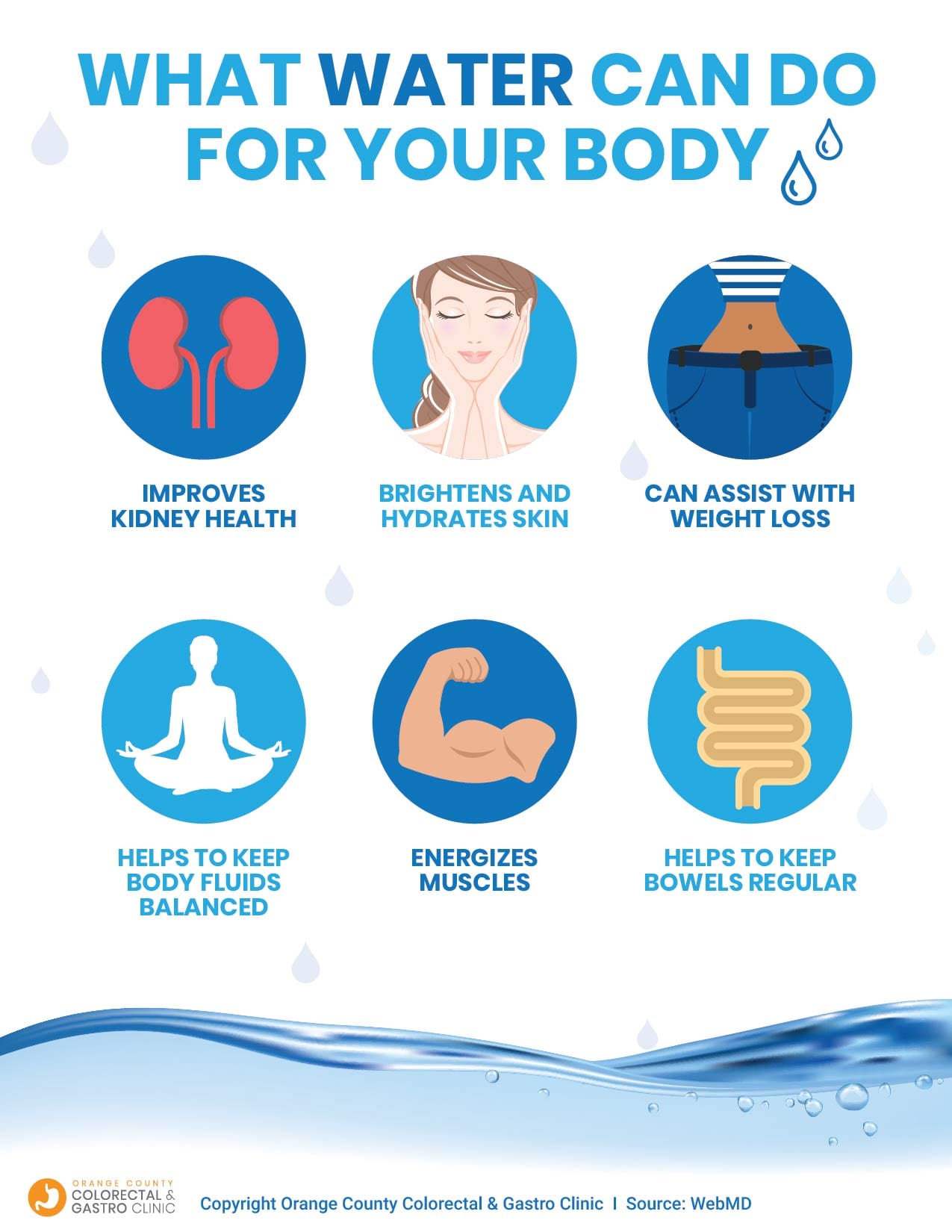
Your skin is the body's largest organ, and it relies on hydration to stay soft, smooth, and radiant. When you're dehydrated, your skin can become dry, flaky, and more prone to wrinkles. This happens because water helps maintain skin elasticity and supports the production of collagen, the protein that keeps skin firm and youthful.

Drinking water helps maintain skin elasticity, prevents dryness, and can even reduce acne by flushing out toxins that contribute to breakouts. When your body is properly hydrated, your skin cells are plump and full, which creates a natural glow and reduces the appearance of fine lines and wrinkles.
Additionally, water helps support your body's natural detoxification processes. When toxins build up in your body, they can manifest as skin problems like acne, eczema, or dullness. By staying hydrated, you're helping your body eliminate these toxins more efficiently, which can lead to clearer, healthier-looking skin.
3. Aids Digestion and Prevents Constipation
Water is essential for the digestive system to function properly. It helps break down food and ensures that nutrients are absorbed efficiently. When you eat, your body produces saliva, which contains enzymes that begin the digestive process. Water is a key component of saliva, and without adequate hydration, your body can't produce enough saliva to properly break down food.
Throughout the digestive process, water continues to play a crucial role. It helps dissolve nutrients and minerals, making them accessible to your body. Water also helps move food through your digestive tract and prevents food from becoming stuck in your intestines.
Drinking plenty of water can also prevent constipation by softening stool and promoting regular bowel movements. When you're dehydrated, your colon absorbs more water from your stool, making it harder and more difficult to pass. This can lead to constipation, bloating, and discomfort.
4. Supports Weight Loss
Drinking water can support weight loss in several powerful ways. First, it helps increase feelings of fullness, which can reduce your overall calorie intake. When you drink water before meals, it takes up space in your stomach, making you feel full faster and potentially causing you to eat less.

Second, water boosts your metabolism, allowing your body to burn more calories efficiently. Studies have shown that drinking water can increase your metabolic rate by up to 30% for about 30-40 minutes after drinking. This means your body burns more calories just by staying hydrated.
Third, swapping sugary drinks for water cuts out unnecessary calories and sugar. The average soda contains about 150 calories and 39 grams of sugar. By replacing just one soda per day with water, you could save over 54,000 calories per year – that's equivalent to about 15 pounds of body weight!
Water also helps your body break down fat more efficiently. When you're dehydrated, your liver has to help your kidneys process waste, which takes away from its primary job of metabolizing fat. By staying hydrated, you allow your liver to focus on fat metabolism, which can support your weight loss goals.
5. Regulates Body Temperature
Your body's temperature regulation relies on proper hydration. Water helps regulate your body's internal thermostat through a process called thermoregulation. When your body temperature rises, whether from exercise, hot weather, or fever, your body produces sweat to cool you down. This sweat is primarily composed of water, along with small amounts of electrolytes.
When you're properly hydrated, your body can produce adequate sweat to cool you down effectively. However, when you're dehydrated, your body can't produce enough sweat, which can lead to overheating. This is especially dangerous during hot weather or intense physical activity, as it can lead to heat exhaustion or heat stroke.
Water also helps regulate your body temperature by improving circulation. When you're well-hydrated, your blood volume is adequate, which allows your heart to pump blood efficiently throughout your body. This improved circulation helps distribute heat evenly and prevents dangerous temperature spikes.
6. Detoxifies the Body
Water plays a key role in flushing out toxins from your body through several important mechanisms. The kidneys rely on water to filter waste from the blood, which is then excreted through urine. When you're properly hydrated, your kidneys can work efficiently to remove toxins, excess minerals, and other waste products from your blood.
Staying hydrated also supports the liver, which is responsible for processing toxins and converting them into less harmful substances. The liver uses water to help break down toxins and prepare them for elimination. When you're dehydrated, your liver can't work as effectively, which means toxins may build up in your body.
Additionally, water helps remove toxins through other elimination pathways, including through your skin when you sweat and through your lungs when you breathe. By drinking enough water, you're actively helping your body detoxify and maintain optimal health.
7. Improves Kidney Health
Drinking enough water is vital for kidney health. Your kidneys are remarkable organs that filter about 120-150 quarts of blood every day, removing waste and excess fluid to produce urine. They also help regulate your body's fluid balance, blood pressure, and the production of red blood cells.
When you don't drink enough water, your kidneys have to work much harder to perform these functions. Chronic dehydration can lead to kidney stones, which form when there isn't enough water to dilute the minerals in your urine. These minerals can crystallize and form painful stones that may require medical intervention to remove.
Proper hydration also helps prevent urinary tract infections (UTIs) by helping flush bacteria out of your urinary system. When you're well-hydrated, you urinate more frequently, which helps remove bacteria before they can multiply and cause infection.
Long-term dehydration can also contribute to chronic kidney disease. When your kidneys consistently have to work harder due to dehydration, they can become damaged over time. This damage is often irreversible, making prevention through proper hydration crucial.
8. Enhances Physical Performance
Whether you're lifting weights, running, or doing yoga, staying hydrated is essential for peak performance. Even mild dehydration can significantly impact your physical abilities, leading to reduced strength, power, and endurance. When you're dehydrated, your blood volume decreases, which means your heart has to work harder to pump blood to your muscles.
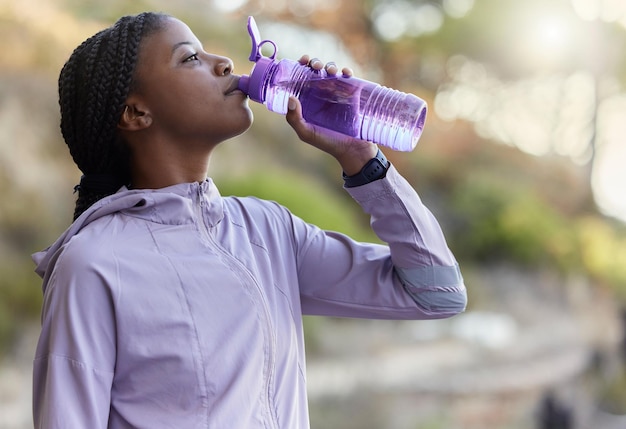
Dehydration can lead to muscle cramps, fatigue, and reduced endurance. When your muscles don't receive adequate water, they can't contract properly, which can lead to cramping and decreased performance. Additionally, dehydration impairs your body's ability to regulate temperature, which can lead to overheating during exercise.
Proper hydration also helps with muscle recovery after exercise. Water helps transport nutrients to your muscles and remove metabolic waste products that build up during exercise. This improved circulation helps reduce muscle soreness and speeds up the recovery process.
Drinking water during and after exercise replenishes lost fluids and helps your muscles recover more quickly. The amount of water you need depends on factors like the intensity and duration of your exercise, the temperature and humidity of your environment, and your individual sweat rate.
9. Helps Maintain Healthy Blood Pressure
Hydration plays a crucial role in keeping blood pressure at a healthy level. When you're dehydrated, your blood volume decreases, which can initially lead to lower blood pressure. However, your body responds to this by releasing hormones that cause your blood vessels to constrict, which can actually increase blood pressure over time.
Chronic dehydration can contribute to high blood pressure (hypertension) because your heart has to work harder to pump the thicker, more concentrated blood through your body. This increased workload on your heart can lead to elevated blood pressure readings.
On the other hand, drinking enough water helps maintain a healthy volume of blood and supports cardiovascular health. When you're properly hydrated, your blood flows more easily through your blood vessels, reducing the strain on your heart and helping to maintain healthy blood pressure levels.
Water also helps your kidneys regulate blood pressure by controlling the amount of sodium and fluid in your body. When you're well-hydrated, your kidneys can more effectively remove excess sodium through urine, which helps prevent high blood pressure.
10. Improves Brain Function and Mood
Even mild dehydration can negatively affect your brain's ability to function at its best. Studies have shown that dehydration of just 1-2% can impair concentration, memory, and mood. Your brain is about 75% water, so it's particularly sensitive to changes in hydration levels.
When you're dehydrated, your brain tissue shrinks slightly, which can trigger headaches and make it harder to concentrate. Dehydration also affects the production of neurotransmitters like serotonin, which plays a crucial role in mood regulation. This is why dehydration can make you feel irritable, anxious, or depressed.
Proper hydration helps ensure that your brain gets the oxygen and nutrients it needs to work at its best. When you're well-hydrated, your blood flows more easily to your brain, delivering essential nutrients and removing waste products more efficiently.
Research has also shown that staying hydrated can improve cognitive performance, including better focus, improved memory, and faster reaction times. Students who drink water during exams often perform better than those who don't, highlighting the direct connection between hydration and mental performance.
Conclusion
From boosting energy levels to supporting your skin, digestion, and brain function, the health benefits of drinking water are undeniable. Water is truly nature's miracle drink – it's free, accessible, and provides more health benefits than any supplement or superfood on the market.
If you're not already drinking enough water, it's time to start making hydration a priority. A simple habit like drinking more water each day can have a profound impact on your overall health and well-being. Remember, small changes can lead to big results, and increasing your water intake is one of the easiest and most effective changes you can make for your health.
The recommended daily intake of water varies depending on factors like your age, weight, activity level, and climate, but a general guideline is to aim for 8 glasses (64 ounces) of water per day. Listen to your body – if you're thirsty, drink water. If your urine is dark yellow, you need more water. If you're feeling fatigued or having trouble concentrating, try drinking a glass of water first.
Start Your Hydration Journey Today!
Now that you know the incredible benefits of drinking water, it's time to take action. Start by increasing your water intake gradually – add one extra glass per day this week, then another next week, until you reach your goal.
How much water do you drink in a day? What strategies have you found helpful for staying hydrated? Share your tips and experiences in the comments below – your insights could help others on their journey to better health through proper hydration.
Remember, every sip counts, and your body will thank you for making hydration a priority. Here's to your health and the simple power of water!
Related Articles You Might Enjoy:
• "10 Natural Ways to Boost Your Energy Without Caffeine"
• "The Ultimate Guide to Healthy Eating for Busy Professionals"
• "Simple Daily Habits That Can Transform Your Health"
• "The Science Behind Better Sleep: Tips for Quality Rest"
Disclaimer: This article is for informational purposes only and should not replace professional medical advice. If you have specific health concerns or medical conditions, please consult with your healthcare provider before making significant changes to your water intake or diet.