Debunking Mental Health Myths (2025): How AI Can Help Us Heal Smarter
In 2025, we're living in an unprecedented era of mental health awareness, yet harmful myths continue to cast shadows over millions seeking help. Despite decades of research and advocacy, misconceptions about therapy, mental illness, and treatment options persist, preventing countless individuals from accessing the care they desperately need. The good news? We now have powerful allies in our fight against these damaging beliefs—and they're powered by artificial intelligence.
The landscape of mental healthcare is rapidly evolving, with AI-driven tools revolutionizing how we understand, discuss, and treat mental health conditions. From intelligent chatbots providing 24/7 support to sophisticated screening tools that detect early warning signs, technology is breaking down barriers that have existed for generations. But as we embrace these innovations, it's crucial to separate fact from fiction about both mental health itself and the role AI plays in our healing journey.

What Are Mental Health Myths?
Mental health myths are persistent, widespread misconceptions that create stigma, prevent people from seeking help, and perpetuate harmful stereotypes about mental illness and treatment. These false beliefs have deep cultural roots and continue to thrive despite mounting scientific evidence that contradicts them.
Some of the most damaging myths still circulating in 2025 include:
- "Therapy is only for people with severe mental illness" - This misconception keeps millions from accessing preventive mental health care
- "Mental health problems are a sign of weakness" - This stigmatizing belief prevents people from viewing mental health as they would physical health
- "AI can completely replace human therapists" - A newer myth that misunderstands AI's supportive rather than replacement role
- "Medication is the only real treatment for mental health issues" - This oversimplifies the diverse range of effective treatments available
- "Young people today are just more sensitive" - This dismisses legitimate mental health concerns across generations
These myths don't just exist in isolation—they actively harm individuals and communities by creating barriers to treatment, perpetuating shame, and preventing honest conversations about mental wellness.
How AI Is Helping in 2025
The integration of artificial intelligence into mental healthcare represents one of the most significant advances in addressing both treatment access and myth-busting efforts. In 2025, AI tools are making mental health support more accessible, affordable, and immediate than ever before.
Breakthrough Research and Real Results
Recent clinical trials have provided compelling evidence of AI's effectiveness in mental health support. A groundbreaking study from Dartmouth researchers, published in NEJM AI, conducted the first-ever clinical trial of a generative AI-powered therapy chatbot called Therabot. The results were remarkable: participants with depression experienced a 51% average reduction in symptoms, while those with generalized anxiety saw a 31% improvement.

AI-Powered Mental Health Tools Making Impact:
- Intelligent Screening and Assessment - AI algorithms can analyze speech patterns, text responses, and behavioral data to identify early signs of mental health concerns
- 24/7 Conversational Support - Chatbots provide immediate crisis intervention and ongoing therapeutic conversations
- Personalized Treatment Plans - Machine learning creates customized wellness strategies based on individual needs and responses
- Mental Health Education - AI-driven platforms deliver accurate, personalized information that directly counters harmful myths
The World Health Organization recognizes AI's potential in addressing the global mental health crisis, particularly in regions with limited access to traditional mental healthcare services.
Benefits of AI in Mental Health
The advantages of incorporating AI into mental healthcare extend far beyond simple convenience—they're actively dismantling the systemic barriers that have kept effective treatment out of reach for millions.
Unprecedented Accessibility
One of AI's most profound impacts is democratizing mental health support. Traditional therapy faces a severe provider shortage, with an average of 1,600 patients for every available mental health provider in the United States. AI tools can bridge this gap by providing immediate support when human therapists aren't available, especially crucial during crisis moments that don't align with office hours.
Reducing Financial Barriers
Cost has long been a prohibitive factor in mental healthcare. AI-powered apps and platforms offer free or low-cost alternatives that make initial support accessible to individuals regardless of economic status. While these tools don't replace professional therapy, they provide valuable first steps and ongoing support.
Combating Stigma Through Privacy
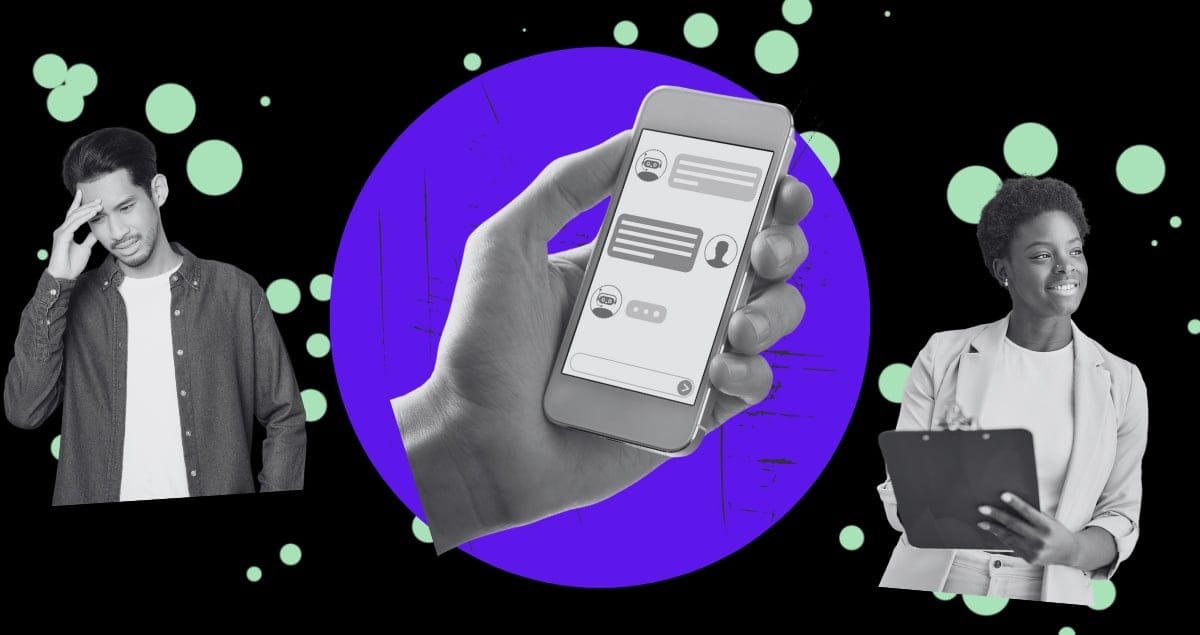
Many people avoid seeking mental health support due to fear of judgment or social stigma. AI platforms offer complete anonymity, allowing individuals to explore their mental health concerns without fear of social repercussions. This privacy can be particularly valuable for those in communities where mental health stigma remains strong.
Personalized Care at Scale
AI's ability to process vast amounts of data enables truly personalized mental health recommendations. These systems can adapt to individual communication styles, preferences, and progress patterns, creating customized experiences that resonate with each user's unique needs.
Evidence-Based Myth Busting
AI platforms can deliver accurate, evidence-based information that directly counters harmful myths. By providing immediate, reliable responses to common misconceptions, these tools actively educate users and promote healthier attitudes toward mental health.
Risks & Concerns
While AI offers tremendous promise in mental healthcare, responsible implementation requires acknowledging and addressing significant risks and limitations that have emerged as these technologies mature.
Privacy and Data Security Challenges
Mental health data is among the most sensitive personal information individuals can share. AI platforms collect detailed information about users' thoughts, emotions, and behavioral patterns, creating potential vulnerabilities if this data is mishandled or breached. Users must carefully evaluate privacy policies and data handling practices before engaging with AI mental health tools.
The Risk of Over-Reliance
A concerning trend has emerged where some individuals begin to view AI chatbots as complete replacements for human connection and professional care. Stanford researchers have warned that this over-dependence could delay necessary professional intervention and create unrealistic expectations about AI capabilities.
Quality Control and Misinformation Risks
Not all AI mental health tools are created equal. Some platforms may provide inaccurate information, inappropriate responses, or advice that contradicts established therapeutic best practices. The rapid proliferation of these tools has outpaced regulatory oversight, leaving users to navigate quality differences on their own.
Potential for Reinforcing Biases
AI systems learn from data that may contain cultural, racial, or gender biases present in their training materials. This can result in tools that don't adequately serve diverse populations or that perpetuate existing healthcare disparities.
Expert Opinions & 2025 Updates
Leading mental health professionals and AI researchers are providing crucial guidance on how to navigate this evolving landscape responsibly and effectively.
Clinical Perspectives on AI Integration
Dr. Nicholas Jacobson from Dartmouth's Center for Technology and Behavioral Health emphasizes that while AI shows remarkable promise, it requires continued clinical oversight: "There is no replacement for in-person care, but there are nowhere near enough providers to go around. We would like to see generative AI help provide mental health support to the huge number of people outside the in-person care system."
Latest Research Findings
2025 research has revealed both encouraging successes and important cautions:
- Studies show AI therapy tools can achieve therapeutic outcomes comparable to traditional outpatient therapy for certain conditions
- Over 50% of individuals now use major language models like ChatGPT for mental health support, according to recent surveys
- Research indicates that general-purpose chatbots sometimes outperform specialized therapeutic chatbots in certain cognitive bias correction tasks
Professional Guidelines Emerging
Mental health organizations are developing new standards for AI integration:
- The American Psychological Association has released guidelines for AI use in clinical practice
- Professional training programs are incorporating AI literacy for mental health providers
- Ethical frameworks are being established to ensure AI tools complement rather than replace human care
Quick Summary Table
| Myth | Reality | How AI Helps |
|---|---|---|
| Therapy is for "crazy" people | Therapy benefits everyone seeking personal growth | AI makes therapeutic techniques accessible through apps and chatbots |
| AI replaces human doctors | AI supports and enhances human care | Provides 24/7 support while connecting users to human professionals when needed |
| Mental illness equals weakness | Mental health conditions are medical conditions like any other | AI delivers education and reduces stigma through anonymous, judgment-free interactions |
| Only medication can treat mental health | Multiple effective treatments exist, including therapy, lifestyle changes, and support | AI personalizes treatment recommendations and tracks multiple intervention approaches |
| Young people are just being dramatic | Mental health concerns affect all age groups and deserve serious attention | AI provides age-appropriate support and helps validate legitimate concerns |
| Mental health problems are rare | 1 in 4 people experience mental health challenges annually | AI makes support more accessible, revealing the true prevalence of mental health needs |
Practical Tips for Readers
Successfully integrating AI mental health tools into your wellness routine requires strategic thinking and informed decision-making. Here's how to maximize benefits while minimizing risks:
Choosing Safe and Effective AI Tools
Start by researching the background and credentials of AI mental health platforms. Look for tools developed with mental health professionals' input and those that clearly state their limitations. Verify that platforms have appropriate privacy protections and don't make unrealistic claims about replacing professional care.
Creating a Hybrid Care Approach
The most effective mental health strategy combines AI support with human professional guidance. Use AI tools for daily check-ins, mood tracking, and immediate support, while maintaining regular contact with licensed mental health professionals for comprehensive care planning and crisis intervention.
:max_bytes(150000):strip_icc()/3145195-article-tips-to-reduce-stress-5a8c75818e1b6e0036533c47-922c3155e9c846eaa7447c75030b2c13.png)
Daily Mental Health Practices Enhanced by AI
- Smart Mood Tracking: Use AI-powered apps that identify patterns in your emotional well-being and suggest personalized interventions
- Guided Meditation and Mindfulness: AI can customize meditation practices based on your stress levels, schedule, and preferences
- Journaling with Insights: AI-enhanced journaling platforms can help identify recurring themes and suggest healthy coping strategies
- Sleep and Exercise Optimization: Integrate AI tools that connect physical wellness with mental health outcomes
Red Flags to Watch For
Discontinue use of any AI mental health tool that makes promises to "cure" mental illness, requests inappropriate personal information, provides advice that contradicts professional medical guidance, or fails to direct you to crisis resources when needed.
Building Digital Wellness Habits
Set boundaries around AI tool usage to prevent over-dependence. Create regular check-ins with human support systems, whether friends, family, or professional counselors. Remember that AI tools work best as part of a comprehensive wellness strategy, not as standalone solutions.
Frequently Asked Questions
What are the most common mental health myths in 2025?
The most persistent mental health myths include beliefs that therapy is only for severe mental illness, that mental health problems indicate personal weakness, that AI can completely replace human therapists, and that seeking help is a sign of failure. These myths continue to prevent people from accessing beneficial mental health support and contribute to ongoing stigma.
Is AI therapy safe to use in 2025?
AI therapy tools can be safe when developed by reputable companies with mental health professional oversight, proper privacy protections, and clear limitations. However, users should research platforms carefully, understand that AI cannot replace professional care in all situations, and be aware that quality varies significantly across different tools.
Can AI completely replace a human therapist?
No, AI cannot completely replace human therapists. While AI tools can provide valuable support, crisis intervention, and educational resources, they lack the nuanced understanding, clinical training, and human empathy that professional therapists provide. The most effective approach combines AI support with human professional guidance.
What are the main risks of using AI for mental health care?
Key risks include privacy and data security concerns, potential over-reliance on technology instead of human connection, varying quality and accuracy across platforms, possible reinforcement of biases, and the risk of delayed professional intervention in serious situations. Users should approach AI mental health tools as supplements to, not replacements for, comprehensive care.
Who should avoid AI-based therapy apps?
Individuals experiencing severe mental health crises, suicidal thoughts, or acute psychiatric symptoms should prioritize immediate professional intervention over AI tools. Additionally, those with complex trauma histories, severe mental illnesses requiring specialized care, or concerns about data privacy may be better served by traditional therapeutic approaches with appropriate AI integration under professional guidance.
Conclusion
As we navigate 2025's mental health landscape, the importance of debunking mental health myths cannot be overstated. These persistent misconceptions continue to prevent millions from accessing life-changing support, but we now have unprecedented tools to combat misinformation and expand access to care.
AI in therapy and digital mental health platforms represent powerful allies in our collective effort to normalize mental healthcare and make support universally accessible. The evidence is clear: when properly implemented with appropriate oversight, AI tools can provide meaningful therapeutic benefits while breaking down traditional barriers to care.
However, our exploration of AI for well-being reveals that technology works best when it enhances rather than replaces human connection and professional expertise. The most effective approach combines the accessibility and immediacy of AI support with the nuanced understanding and clinical expertise that only human professionals can provide.
The mental health awareness movement of 2025 is characterized by this balanced integration—embracing technological innovation while maintaining the human elements that make healing possible. As we continue to challenge myths and expand access to care, AI serves as both a powerful educational tool and a bridge to professional support.
The future of mental healthcare lies not in choosing between human and artificial intelligence, but in leveraging both to create a more compassionate, accessible, and effective system of care. By understanding both the potential and limitations of these tools, we can make informed decisions that support our mental wellness journey while contributing to a broader cultural shift toward mental health acceptance and support.
Ready to take charge of your mental wellness journey? Join our community for more evidence-based wellness tips and the latest updates on AI in healthcare. Subscribe today and be part of a supportive community committed to breaking down barriers to better mental health!
💬 What's your experience with Debunking Mental Health Myths (2025): How AI Can Help Us Heal Smarter? Share in the comments below!
📧 Want more health tips? Follow us for weekly updates!