
What Is GLP-1 Weight Loss Treatment? A Complete Guide (2025 Update)

If you've been following recent weight loss breakthroughs, you've likely heard about GLP-1 medications making headlines. From celebrities to everyday people sharing their transformation stories, GLP-1 weight loss treatment has become one of the most talked-about developments in modern medicine. But what exactly are these treatments, and could they be right for you?
The landscape of weight management has dramatically shifted in recent years, with GLP-1 receptor agonists offering new hope for millions struggling with obesity and weight-related health conditions. These aren't just another fad diet or temporary solution – they represent a fundamental change in how we approach weight loss from a medical perspective.
In this comprehensive guide, we'll explore everything you need to know about GLP-1 weight loss treatment, from how these medications work in your body to their potential benefits, risks, and real-world results. Whether you're considering this treatment option or simply curious about the science behind the buzz, this article will provide you with the knowledge you need to make informed decisions about your health journey.
 Consulting with healthcare professionals is essential before starting any GLP-1 weight loss treatment
What Are GLP-1 Medications?
GLP-1 (Glucagon-Like Peptide-1) medications are a class of drugs that mimic a hormone naturally produced in your intestines. Originally developed to treat type 2 diabetes, researchers discovered these medications had a remarkable side effect: significant weight loss in many patients.
How GLP-1 Works in Your Body
When you eat, your intestines naturally release GLP-1 hormone, which performs several important functions:
- Slows gastric emptying: Food stays in your stomach longer, helping you feel full
- Reduces appetite: Signals to your brain that you're satisfied
- Regulates blood sugar: Helps your pancreas release appropriate amounts of insulin
- Decreases food cravings: Particularly for high-calorie, processed foods
GLP-1 weight loss treatments essentially amplify these natural processes, making it easier to maintain a caloric deficit necessary for weight loss.
 Understanding how GLP-1 affects your digestive system and appetite signals
Popular GLP-1 Medications for Weight Loss
The most commonly prescribed GLP-1 medications include:
Semaglutide-based treatments:
- Ozempic (primarily for diabetes, used off-label for weight loss)
- Wegovy (specifically FDA-approved for weight management)
- Rybelsus (oral form of semaglutide)
Liraglutide-based treatments:
- Saxenda (FDA-approved for weight management)
- Victoza (primarily for diabetes)
Tirzepatide:
- Mounjaro (diabetes treatment, often used off-label)
- Zepbound (specifically for weight management)
Benefits of GLP-1 Weight Loss Treatment
Significant Weight Loss Results
Clinical trials have shown impressive results for GLP-1 weight loss treatment:
- Semaglutide (Wegovy): Average weight loss of 12-15% of body weight
- Tirzepatide (Zepbound): Average weight loss of 15-22% of body weight
- Liraglutide (Saxenda): Average weight loss of 5-10% of body weight
These results typically occur over 12-18 months when combined with lifestyle modifications.
Beyond Weight Loss: Additional Health Benefits
Cardiovascular improvements:
- Reduced blood pressure
- Improved cholesterol levels
- Lower risk of heart disease
Metabolic benefits:
- Better blood sugar control
- Reduced insulin resistance
- Decreased risk of developing type 2 diabetes
Quality of life enhancements:
- Improved mobility and physical function
- Better sleep quality
- Enhanced self-esteem and confidence
- Reduced joint pain and inflammation
 GLP-1 treatment supports overall health improvements beyond just weight loss
Long-term Health Impact
Research suggests that GLP-1 weight loss treatment may provide lasting benefits beyond the scale. Studies indicate potential protective effects against:
- Cardiovascular disease
- Stroke
- Certain types of cancer
- Sleep apnea
- Non-alcoholic fatty liver disease
Who Is a Good Candidate for GLP-1 Treatment?
Medical Criteria
Healthcare providers typically consider GLP-1 weight loss treatment for individuals who meet specific criteria:
BMI Requirements:
- BMI of 30 or higher (obesity)
- BMI of 27 or higher with at least one weight-related health condition
Weight-related health conditions include:
- Type 2 diabetes
- High blood pressure
- High cholesterol
- Sleep apnea
- Cardiovascular disease
Ideal Candidates
The best candidates for GLP-1 weight loss treatment typically:
- Have struggled with traditional weight loss methods
- Are committed to lifestyle changes
- Don't have contraindicated medical conditions
- Have realistic expectations about results
- Can afford the treatment or have insurance coverage
Who Should Avoid GLP-1 Medications
Certain individuals should not use GLP-1 weight loss treatments:
- Pregnant or breastfeeding women
- People with a history of medullary thyroid carcinoma
- Those with Multiple Endocrine Neoplasia syndrome type 2
- Individuals with severe gastroparesis
- People with a history of pancreatitis (in some cases)
 Proper medical evaluation is crucial to determine if GLP-1 treatment is right for you
Potential Side Effects and Risks
Common Side Effects
Most people experience some side effects when starting GLP-1 weight loss treatment, particularly during the initial weeks:
Gastrointestinal effects (most common):
- Nausea (experienced by 20-40% of users)
- Vomiting
- Diarrhea
- Constipation
- Abdominal pain
- Decreased appetite
Other common side effects:
- Fatigue
- Headache
- Dizziness
- Injection site reactions (for injectable forms)
Managing Side Effects
Healthcare providers recommend several strategies to minimize side effects:
Gradual dose escalation:
- Start with the lowest effective dose
- Slowly increase over several weeks
- Allow your body to adjust
Dietary modifications:
- Eat smaller, more frequent meals
- Avoid high-fat, greasy foods
- Stay well-hydrated
- Choose bland foods if experiencing nausea
Serious but Rare Risks
While uncommon, some serious side effects require immediate medical attention:
- Pancreatitis: Severe abdominal pain that may radiate to the back
- Gallbladder problems: Right upper abdominal pain, especially after eating
- Kidney problems: Changes in urination, swelling
- Severe allergic reactions: Difficulty breathing, swelling of face or throat
Cost and Insurance Coverage
Pricing Overview
GLP-1 weight loss treatments can be expensive without insurance coverage:
| Medication | Monthly Cost (Without Insurance) | With Insurance/Savings Programs |
|---|---|---|
| Wegovy (Semaglutide) | $1,200-$1,400 | $25-$200 |
| Saxenda (Liraglutide) | $1,300-$1,500 | $25-$200 |
| Zepbound (Tirzepatide) | $1,000-$1,200 | $25-$200 |
| Mounjaro (off-label) | $900-$1,100 | $25-$200 |
Insurance Coverage Considerations
Factors affecting coverage:
- Your specific insurance plan
- Medical necessity documentation
- BMI and health conditions
- Prior authorization requirements
- Step therapy protocols
Tips for improving coverage chances:
- Work with your healthcare provider to document medical necessity
- Ensure you meet BMI requirements
- Document previous weight loss attempts
- Consider appeals if initially denied
Cost-Saving Strategies
Manufacturer savings programs:
- Most pharmaceutical companies offer patient assistance programs
- Savings cards can reduce costs significantly
- Income-based assistance may be available
Alternative options:
- Generic versions (when available)
- Compounded medications from specialized pharmacies
- International pharmacy options (with caution)
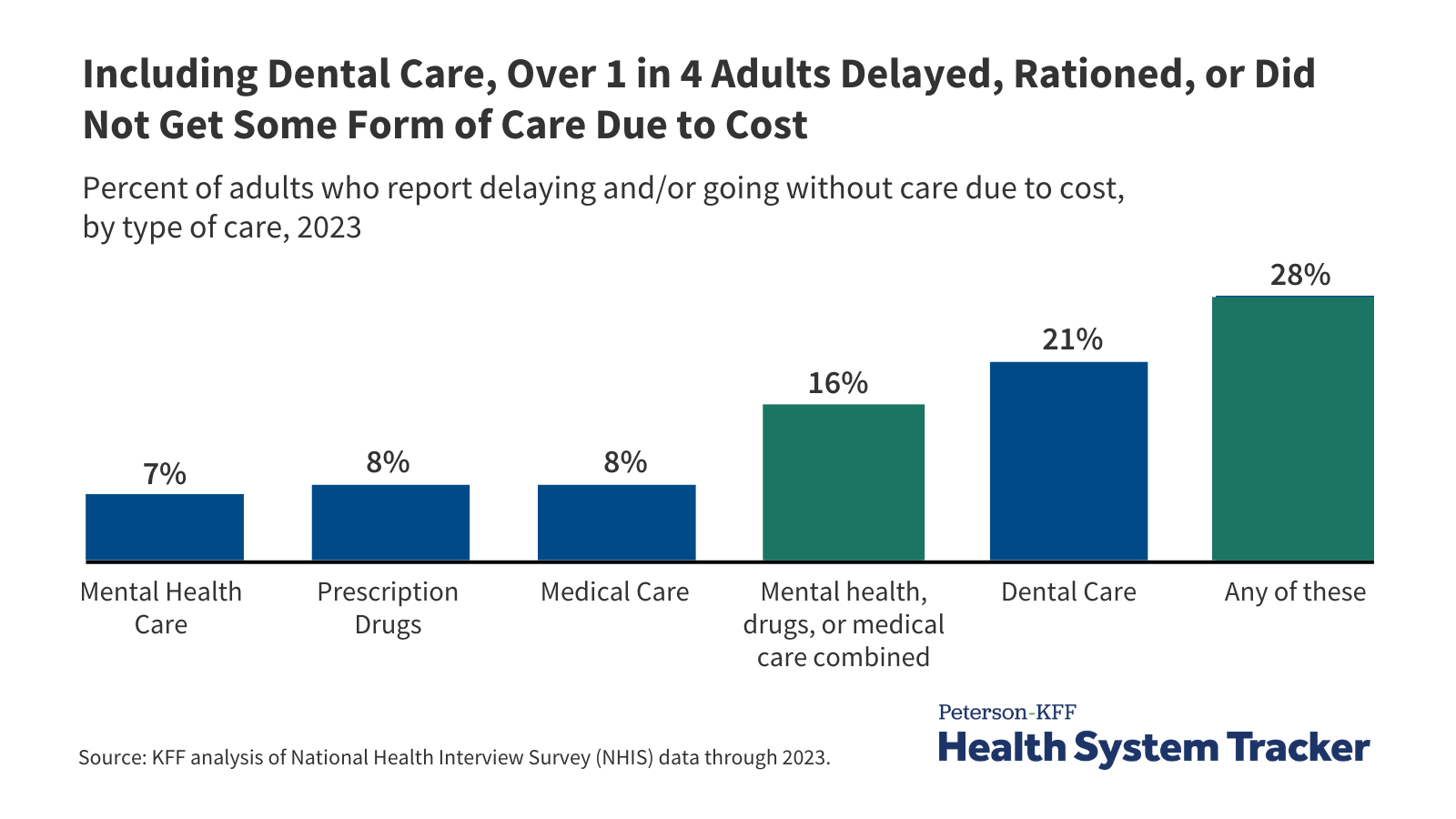 Understanding insurance coverage and costs helps you plan for GLP-1 treatment
Lifestyle Changes That Maximize Results
Dietary Recommendations
While GLP-1 medications reduce appetite, maintaining a nutritious diet enhances results:
Focus on:
- Lean proteins (chicken, fish, legumes)
- Non-starchy vegetables
- Whole grains in moderation
- Healthy fats (avocados, nuts, olive oil)
Limit:
- Ultra-processed foods
- Sugary beverages
- High-fat, greasy meals
- Large portion sizes
Exercise Guidelines
Physical activity complements GLP-1 weight loss treatment:
Recommended activities:
- 150 minutes of moderate-intensity cardio weekly
- 2-3 strength training sessions per week
- Daily movement and steps (aim for 8,000-10,000)
- Flexibility and mobility work
Starting gradually:
- Begin with short walks
- Increase intensity slowly
- Listen to your body
- Focus on consistency over intensity
Behavioral Support
Successful patients often benefit from:
- Regular healthcare provider check-ins
- Nutritionist or dietitian consultations
- Support groups or online communities
- Stress management techniques
- Sleep hygiene improvements
 Combining GLP-1 treatment with healthy lifestyle choices maximizes your results
GLP-1 vs. Other Weight Loss Methods
Comparison with Traditional Approaches
| Method | Average Weight Loss | Timeline | Sustainability | Cost |
|---|---|---|---|---|
| GLP-1 Medications | 12-22% | 12-18 months | High (with lifestyle) | High |
| Diet & Exercise | 5-10% | Ongoing | Moderate | Low |
| Weight Loss Surgery | 20-30% | 12-24 months | High | Very High |
| Other Medications | 3-8% | 6-12 months | Moderate | Moderate |
Advantages of GLP-1 Treatment
Compared to surgery:
- Non-invasive
- Reversible
- Lower risk profile
- No recovery time
Compared to traditional dieting:
- Addresses biological hunger signals
- Reduces food cravings
- Higher success rates
- Medical supervision
When to Consider Alternatives
GLP-1 weight loss treatment may not be ideal if:
- Cost is prohibitive
- Side effects are intolerable
- Medical contraindications exist
- Preference for non-medication approaches
What to Expect: Timeline and Results
Month 1-2: Initial Adjustment
Common experiences:
- Side effects are most prominent
- Gradual appetite reduction
- Initial weight loss (2-5 pounds)
- Learning to eat smaller portions
Month 3-6: Steady Progress
Typical developments:
- Side effects often improve
- Consistent weight loss (1-2 pounds per week)
- Improved energy levels
- Better blood sugar control (if applicable)
Month 6-12: Significant Results
Expected outcomes:
- 10-15% total body weight loss
- Stabilization of side effects
- Improved quality of life markers
- Enhanced physical capabilities
Beyond 12 Months: Maintenance
Long-term considerations:
- Continued medication for sustained results
- Focus on lifestyle maintenance
- Regular monitoring and adjustments
- Celebrating non-scale victories
 Understanding the GLP-1 treatment timeline helps set realistic expectations
Frequently Asked Questions
How long do I need to take GLP-1 medications?
Most healthcare providers recommend continuing GLP-1 weight loss treatment indefinitely for sustained results. Studies show that discontinuing the medication often leads to weight regain. Think of it like treating high blood pressure – it's typically a long-term management strategy rather than a short-term fix.
Can I drink alcohol while on GLP-1 medications?
Moderate alcohol consumption is generally considered safe with GLP-1 medications, but there are important considerations:
- Alcohol may worsen gastrointestinal side effects
- Combined effects on blood sugar need monitoring
- Many people naturally lose interest in alcohol while on treatment
- Always discuss with your healthcare provider about your specific situation
What happens if I miss a dose?
Instructions vary by medication, but general guidelines include:
- If less than 5 days late: take as soon as remembered
- If more than 5 days late: skip and resume regular schedule
- Never double doses
- Contact your healthcare provider if you're unsure
Will insurance cover GLP-1 medications for weight loss?
Insurance coverage varies significantly:
- Many plans cover diabetes-approved versions
- Weight loss-specific formulations have limited coverage
- Prior authorization is often required
- Appeal processes may be necessary
- Manufacturer savings programs can help reduce costs
Are there any dietary restrictions while on GLP-1 medications?
While there are no strict dietary restrictions, certain approaches work better:
- Smaller, more frequent meals reduce nausea
- High-fat foods may worsen gastrointestinal side effects
- Adequate protein intake helps preserve muscle mass
- Staying hydrated is especially important
- Work with a dietitian for personalized guidance
Conclusion
GLP-1 weight loss treatment represents a significant breakthrough in obesity medicine, offering hope for millions who have struggled with traditional weight loss methods. These medications work by addressing the biological mechanisms that drive hunger and appetite, making sustainable weight loss more achievable than ever before.
The results speak for themselves: clinical trials consistently show 12-22% average weight loss, along with improvements in cardiovascular health, blood sugar control, and overall quality of life. However, success with GLP-1 weight loss treatment requires more than just taking medication – it's most effective when combined with lifestyle changes, ongoing medical supervision, and realistic expectations.
While the cost and potential side effects are important considerations, many patients find that the benefits far outweigh the challenges. The key is working with qualified healthcare providers who can help determine if you're a good candidate and guide you through the treatment process safely and effectively.
If you're considering GLP-1 weight loss treatment, start by scheduling a consultation with your healthcare provider. They can evaluate your individual situation, discuss your options, and help you develop a comprehensive weight management plan that's right for you.
Remember, sustainable weight loss is a journey, not a destination. Whether you choose GLP-1 medications or other approaches, the most important step is committing to lasting changes that support your long-term health and wellbeing.
 GLP-1 treatment can be part of your journey toward a healthier, more active lifestyle
Ready to learn more about your weight loss options? Share this article with others who might benefit from this information, and don't forget to consult with healthcare professionals for personalized advice.
Disclaimer: This article is for informational purposes only and should not replace professional medical advice. Always consult with qualified healthcare providers before starting any new treatment or making changes to your current medical regimen. Individual results may vary.
💬 What's your experience with What Is GLP-1 Weight Loss Treatment? A Complete Guide (2025 Update)? Share in the comments below!
📧 Want more health tips? Follow us for weekly updates!